



Enterprise platform decisions are often framed as a choice between build or buy. Either you invest in something bespoke, or you purchase a proprietary system that promises speed and structure.
But for many enterprise organisations, that framing no longer fits.
Digital platforms now have to support multiple brands, markets, teams, channels, integrations, and increasingly, AI-enabled workflows. Requirements change quickly. New services need to be added. Legacy systems need to be replaced gradually. Teams need to move faster without losing control.
In that environment, the strongest platform strategy is not always to rebuild from scratch or commit to a single vendor-led roadmap. It is to evolve.
The limits of traditional replatforming
Large-scale replatforming projects often begin with good intentions. The current platform feels too slow, too expensive, or too difficult to change. A new system promises a clean break.
The problem is that enterprise complexity doesn’t disappear when a platform changes. It moves.
Content models, integrations, governance, editorial workflows, compliance requirements, performance needs, and internal processes all still need to be understood and supported. A big-bang migration can create risk, delay value, and force teams to make decisions before they have had a chance to test what works.
By the time the new platform is live, requirements may already have shifted.
Why evolution is a better fit for modern digital teams
An evolution-led approach treats platform change as an ongoing process, not a one-off transformation.
Instead of replacing everything at once, organisations build on a flexible foundation and improve it over time. Capabilities can be added, replaced, or refined as business needs change. Integrations can be modernised in stages. Teams can validate decisions earlier and reduce disruption.
This is where open platforms like WordPress are especially powerful.
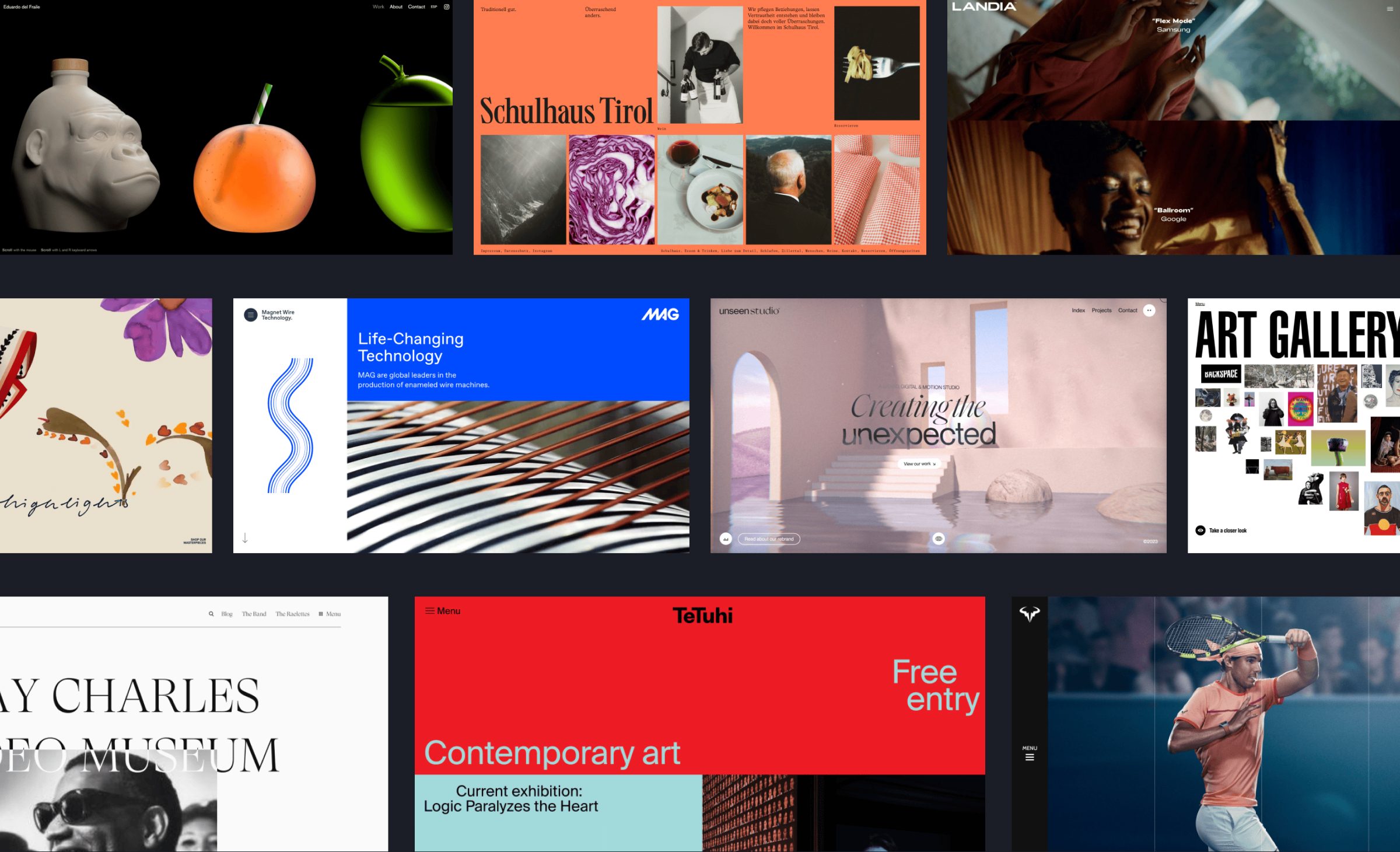
WordPress gives enterprises the ability to shape the platform around their needs, rather than adapting their organisation to fit a fixed product model. It can support traditional, headless, hybrid, multisite, and composable architectures, depending on what each part of the business requires.
Flexibility reduces long-term risk
At enterprise scale, the cost of change matters.
A platform that is quick to launch but difficult to adapt can become expensive over time. Licensing tiers, constrained integrations, vendor dependencies, and customisation limits all affect how easily an organisation can respond to new priorities.
Open architecture changes the equation.
With WordPress, teams can change hosting providers, integrate specialist tools, adopt new services, and evolve workflows without being tied to a single vendor’s roadmap. That flexibility reduces lock-in and gives organisations more control over both cost and direction.
Evolution supports better governance
Continuous evolution doesn’t mean uncontrolled change.
In fact, it works best when governance is built in from the start. Shared standards, reusable components, role-based permissions, approval workflows, security practices, and clear ownership models all help distributed teams move quickly while staying aligned.
For global, multi-brand, or multi-language organisations, this balance is critical. Central teams can maintain consistency while local teams retain the flexibility to serve their own markets.
The role of WordPress in an evolving enterprise stack
Modern enterprise platforms rarely operate alone. They sit within a wider ecosystem of DAMs, CDPs, analytics tools, commerce platforms, search services, and AI providers.
WordPress fits naturally into this kind of composable architecture. It can act as the content layer, the publishing interface, the integration point, or part of a wider digital experience platform.
That makes it well suited to phased change. Organisations can start with a focused use case, prove value, then expand over time.
From replacement mindset to evolution mindset
The most successful enterprise platforms aren’t static; they improve continuously.
That requires a shift in mindset. Instead of asking which platform will solve every problem today, leaders should ask which platform gives them the most room to adapt tomorrow.
For many organisations, WordPress provides that foundation: open, extensible, widely adopted, and capable of supporting complex digital operations at scale.
Replatforming may still be necessary. But the goal should not be another fixed end state.
The goal should be a platform that can keep changing.