Welcome to Word on the Future!
This month, we’re exploring how enterprise WordPress is adapting to an AI-native future, from the way teams collaborate and publish content to the platform shifts reshaping digital experiences at scale.
From reflections on our Croatia retreat to the growing maturity of WordPress 7.0 and the changing role of AI inside publishing workflows, this issue is all about the systems, structures, and ideas shaping what comes next.
If you’re thinking about where digital platforms are heading, this roundup will help connect the dots.
What’s inside this issue 📚
- Human Made retreat roundup – Croatia 2026 🇭🇷 Sunshine, AI hackathons, and a remote team remembering what it’s like to exist in the same timezone.
- Evaluating the technical skills of a WordPress agency 🔍 A gentle reminder that “we build websites” and “we engineer platforms” are not the same thing…
- WordPress 7.0: enterprise-grade by default ⚙️ The line between “standard” and “enterprise” is getting… blurry (in a good way).
- Why platform evolution beats replatforming 🏆 Build vs buy? Not anymore. Discover why adapting and evolving your digital platform is key to staying competitive and agile.
- ICYMI – WP26 event replay: what matters now for enterprise WordPress 🍿 Big brains, bigger ideas, and the conversations everyone’s about to start having.
- AI is changing publishing. Most platforms aren’t ready 🤖 AI is moving fast. Your workflow? Slightly less so… let’s fix that.
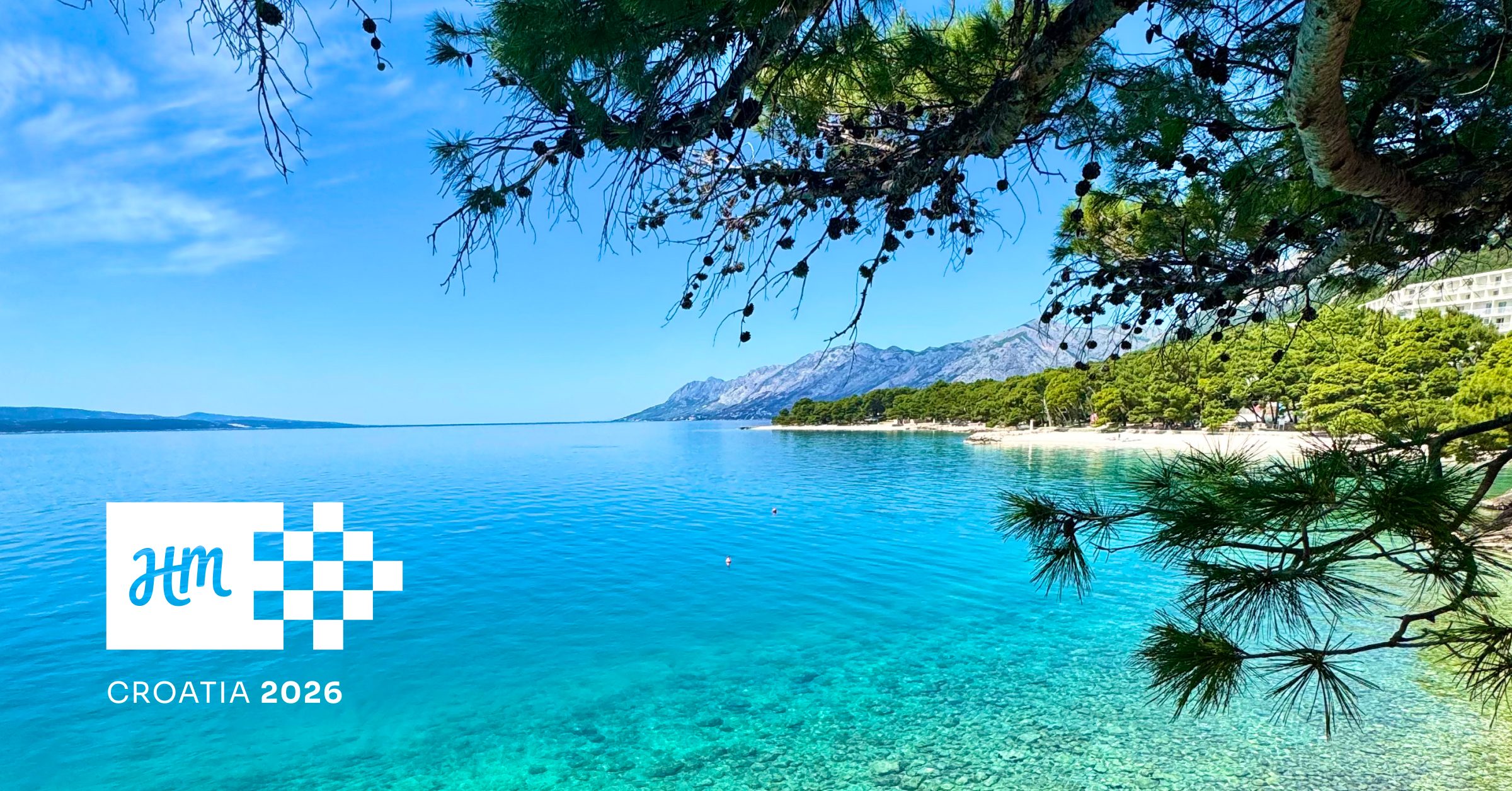
Human Made retreat roundup – Croatia 2026 🇭🇷
We’re reflecting on what happens when a remote company comes together in person, and why those moments matter more than ever in an AI-native world.
This year’s Human Made retreat brought the team to the Croatian coast for a week of connection, collaboration, experimentation, and a lot of conversations about where work is heading next. From AI hackathons to shared meals out on the water, the week captured the energy, curiosity, and openness that continue to shape how we work together.
More than just a company getaway, the retreat was a reminder that strong relationships, shared experiences, and space to explore new ideas are what make distributed teams work at scale.
Because some things just work better off Slack 🌊
Evaluating the technical skills of a WordPress agency 🔍
Choosing a WordPress agency at enterprise level takes more than a quick look at case studies and client logos.
This guide from HM Account Strategy Director Sarah Jones explores the signals that actually matter, from architecture and scalability to development practices, security, and open source contribution, helping teams understand what genuine technical expertise looks like in practice.
Because “we build WordPress sites” and “we engineer enterprise platforms” are very different things 👀
WordPress 7.0: enterprise-grade by default ⚙️
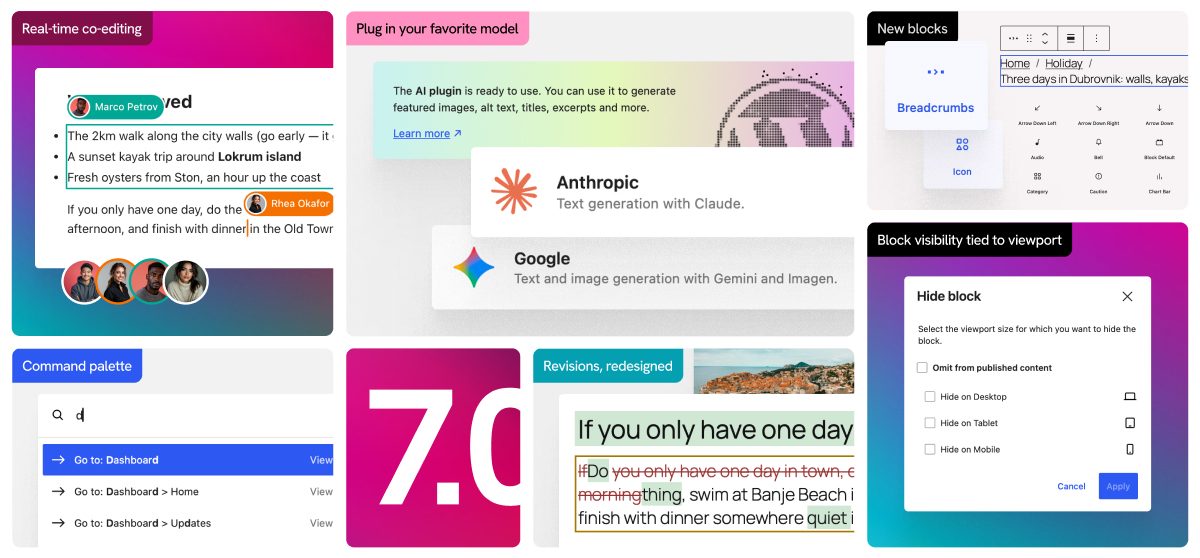
WordPress 7.0 signals something bigger than another major release. Enterprise-level capabilities are increasingly becoming part of the core experience.
From more mature editing workflows to stronger defaults around performance, structure, and scalability, this release shows how WordPress is evolving to support larger, more complex digital platforms out of the box.
The gap between “standard” and “enterprise” WordPress is getting smaller fast 📈
Find out what 7.0 has in store →
Why platform evolution beats replatforming 🏆
Big replatforming projects promise transformation. More often, they create disruption, delays, and a very expensive headache.
This piece explores why more enterprise teams are shifting towards platform evolution instead, improving and extending what already works rather than starting from scratch every few years.
Because ripping everything out and hoping for the best is rarely a strategy 🧩
ICYMI – Catch up on WP:26 with the replay 🎥
Missed WP:26? Or want to revisit the biggest moments? Consider this your front row seat to the future 🍿
This year’s event brought together some of the brightest minds in the WordPress ecosystem to unpack where the platform is really heading. From AI and agentic workflows to the future of enterprise publishing, the sessions cut through the noise to focus on what actually matters next.
If you want a clear view of the trends shaping WordPress in 2026 and beyond, this is the place to start.
AI is changing publishing. Most platforms aren’t ready 🤖
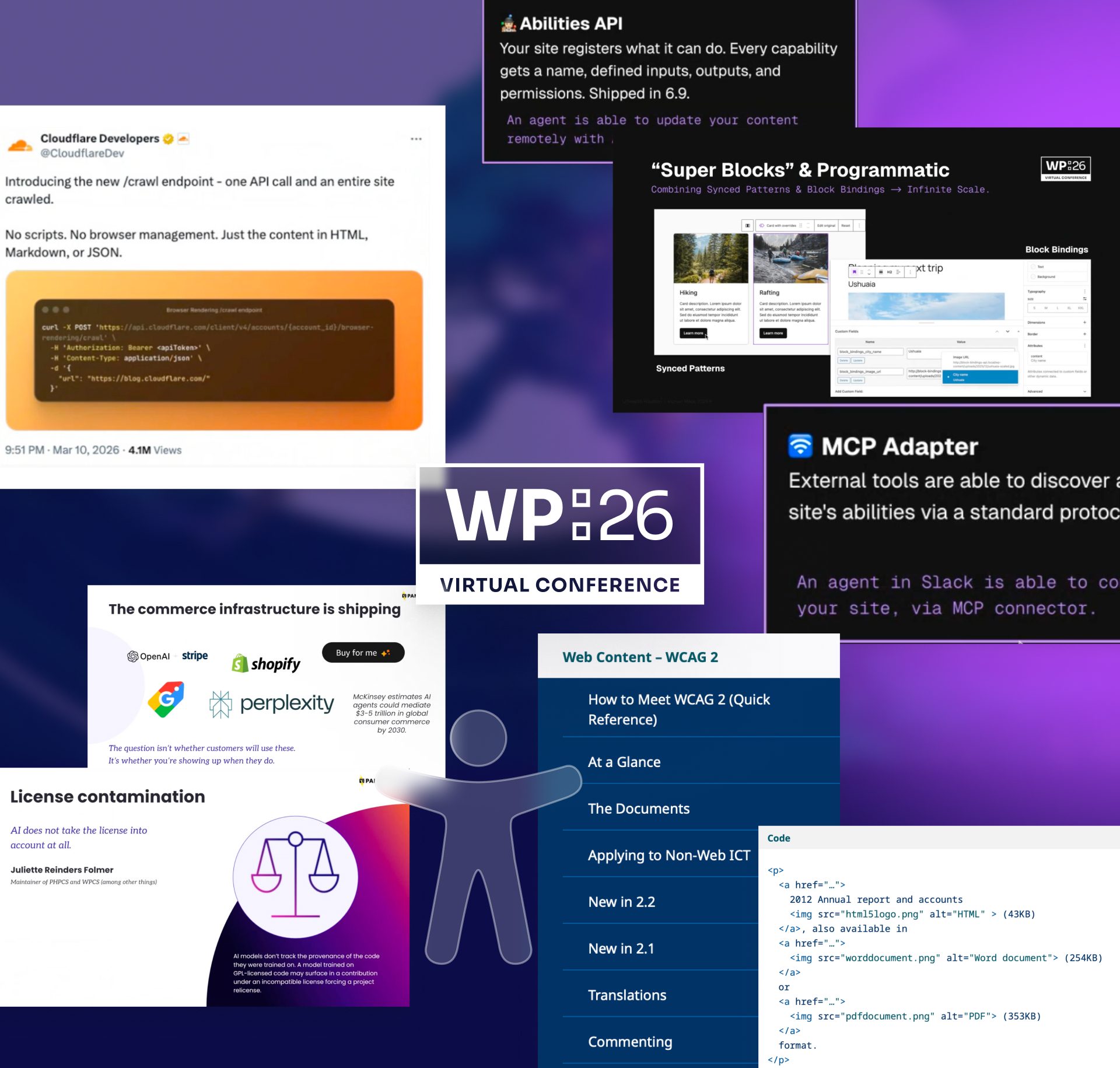
AI is already reshaping how enterprise teams create, optimise, and manage content. The problem? Most publishing platforms still treat it like an add-on.
Find out what happens when AI moves into the CMS itself, from connected workflows and structured content to governance, scalability, and the future of AI-native publishing.
Because copy-and-pasting between five different AI tools was never going to scale 😬