

The Human Made blog
The latest thinking on enterprise WordPress, open source technology, and life at Human Made.
-

How a WordPress Security Release Happens, From Report to Patch
Most site owners only see one part of the process that results in a new version of WordPress being released that fixes a security vulnerability: a dashboard notification that reads “An updated version of WordPress is available”. That’s intentional, the software is built to “just work”. Everything before that notification happens behind the scenes, often…
-

Why critical thinking matters in agencies
Critical thinking in agencies means questioning assumptions. It means weighing evidence. It means reasoning through a decision before committing to it, rather than accepting the first plausible-sounding answer just because it arrived quickly. And it matters more now than it did five years ago. Templates, automation, and AI-generated drafts increasingly shape the daily judgement calls…
-
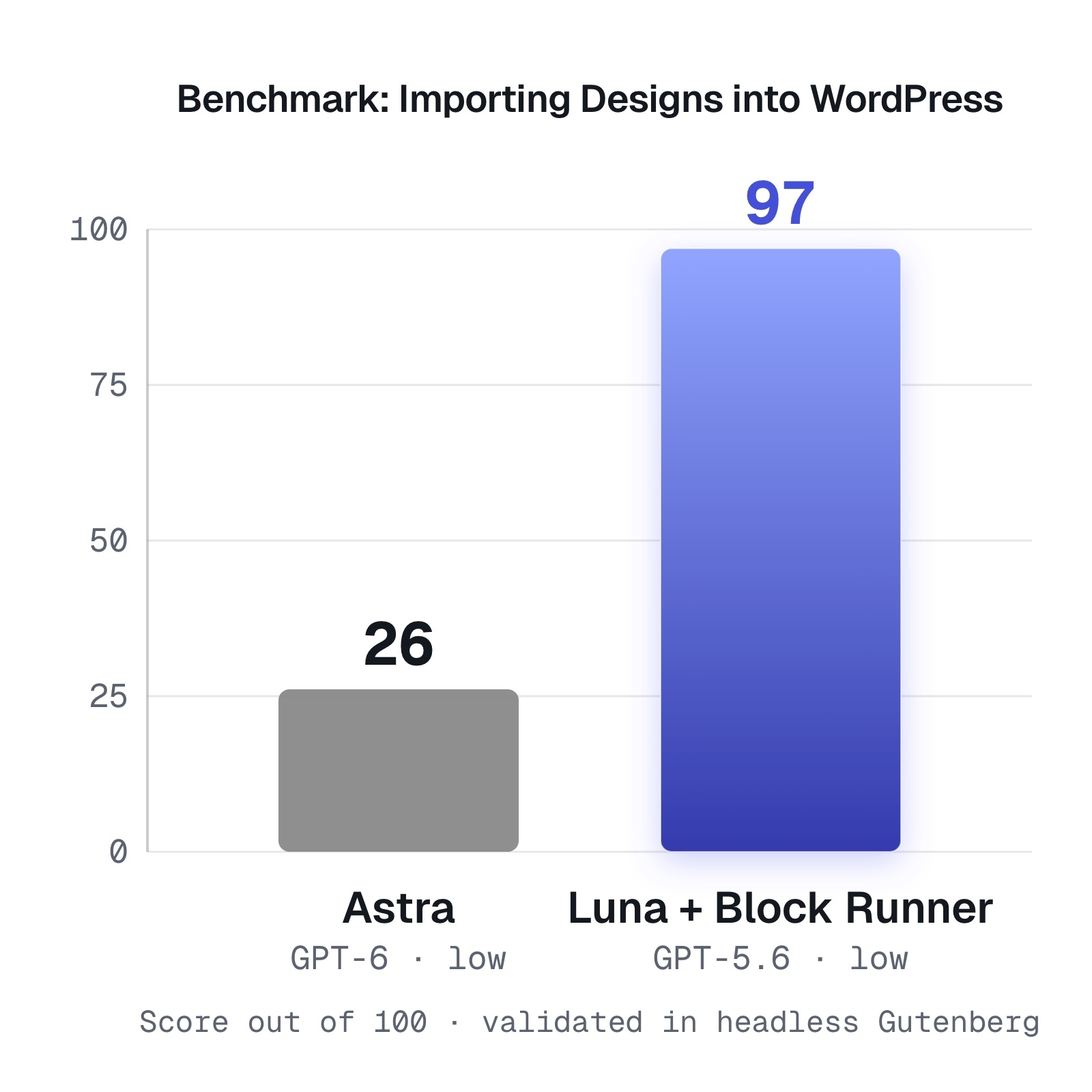
Claude or Codex? WordPress doesn’t care
Model choice matters less than you think. Here’s what actually does.
-
How WordPress Agencies Use AI — and What Clients Should Ask About It
Most WordPress agencies now use AI somewhere in their workflow. But the real question isn’t whether an agency uses AI. It’s where, how carefully, and what still requires a human to sign off. This matters more than it might seem. AI genuinely reduces repetitive work, but it doesn’t replace judgment. The agencies worth hiring can…
-

How to Evaluate an Enterprise WordPress Agency: The 4 Key Pillars
Knowing how to evaluate an enterprise WordPress agency comes down to four things that rarely show up clearly in a pitch. Those four things are technical capability, delivery maturity, security and governance, and strategic alignment. A visually impressive site means very little if the platform becomes difficult to scale, maintain, or govern six months after…
-
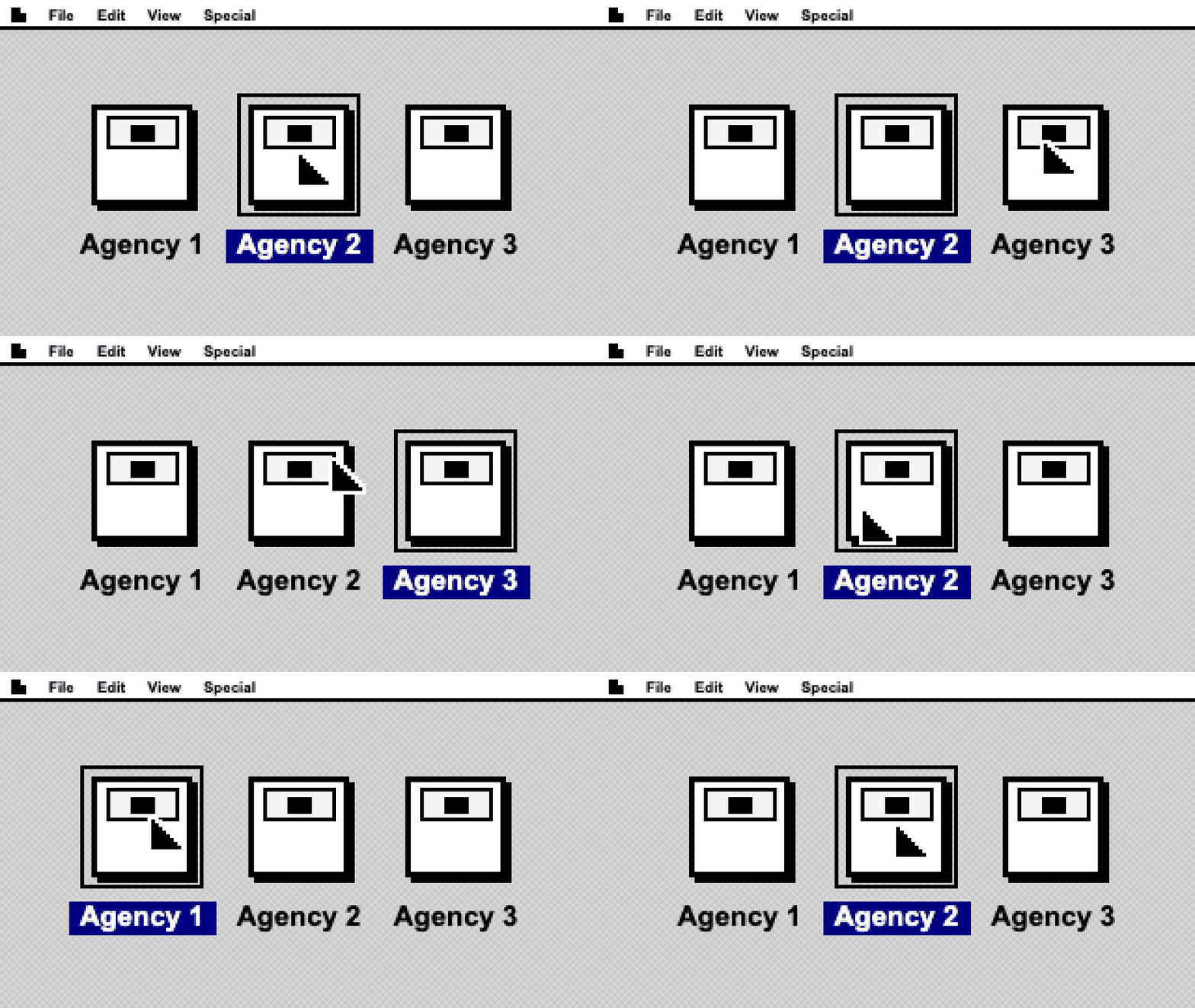
A great pitch isn’t always a great WordPress agency
Welcome to Word on the Future! Every enterprise WordPress project starts the same way: a strong pitch, a polished proposal, a shortlist of client logos everyone recognises. It’s what happens after the contract is signed that separates the agencies who deliver from the ones who just present well. This month, we’re digging into procurement —…
-

Questions To Ask When Choosing A WordPress Agency
Choosing the wrong WordPress agency rarely looks like a mistake at the time. It looks like a great pitch, a polished proposal, and a shortlist of impressive client logos. The problems don’t surface until months into delivery — and by then, switching agencies costs time, money, and momentum. The right questions can surface most of…
-

The Total Cost Of Choosing The Wrong Enterprise WordPress Agency
The cost of choosing the wrong WordPress agency rarely shows up at launch. It surfaces quietly, months or years later. A platform that once felt like a win starts costing more with every release. The financial cost of a bad agency choice is the easy part to calculate — it’s on the invoice. The total…
-
Enterprise WordPress Security Is Really About Decision Making
Enterprise WordPress security is often discussed in technical terms. Keep software up to date. Strengthen authentication. Monitor vulnerabilities. Choose secure infrastructure. Follow security best practices. They’re all sensible recommendations. The difficulty is that very few enterprise platforms become more or less secure because of a single technical decision. They change gradually as the organisation around…
-

AI is changing enterprise WordPress
Welcome to Word on the Future! AI has a habit of making existing problems impossible to ignore. Platforms that once felt flexible suddenly look rigid. Procurement processes that worked five years ago start asking the wrong questions. Cost models change. Governance changes. Even the definition of what a CMS should do is shifting beneath our…
-
WordPress Security and AI: the Attack Surface Is Expanding
Every month, enterprise organisations connect more AI systems to their digital estate. For organisations running WordPress at enterprise scale, these new services are changing the security landscape. AI assistants, content generation tools, developer agents, search experiences, and workflow automations increasingly interact with WordPress content, APIs, and business systems. Each new integration creates opportunities for innovation…
-
Why Enterprise WordPress Is Built for the AI Era
Artificial intelligence is rapidly becoming part of enterprise operations, and enterprise WordPress is no exception. Marketing teams are using AI to accelerate content production. Editorial teams are experimenting with summarisation, tagging, and content enrichment. Customer experience teams are exploring personalisation and recommendation engines. Internal teams are using AI to improve search, knowledge management, and workflow…
-
Pride at Human Made: what we did, and why it matters
June is Pride Month. For some, it’s a celebration. For others, it’s still a protest. At Human Made, we wanted it to be both, and we wanted to engage with it in a way that went deeper than a logo change. We’re a fully remote company with humans in more than a dozen countries. That…
-

Why Enterprise WordPress RFPs Often Miss What Matters
Choosing an enterprise WordPress agency should be a straightforward process. Define your requirements on the RFP, invite proposals, compare responses, and select the partner that best fits your needs. In reality, it’s rarely that simple. Most enterprise buyers aren’t choosing between obviously good and obviously bad agencies. They’re choosing between several capable teams with strong…
-
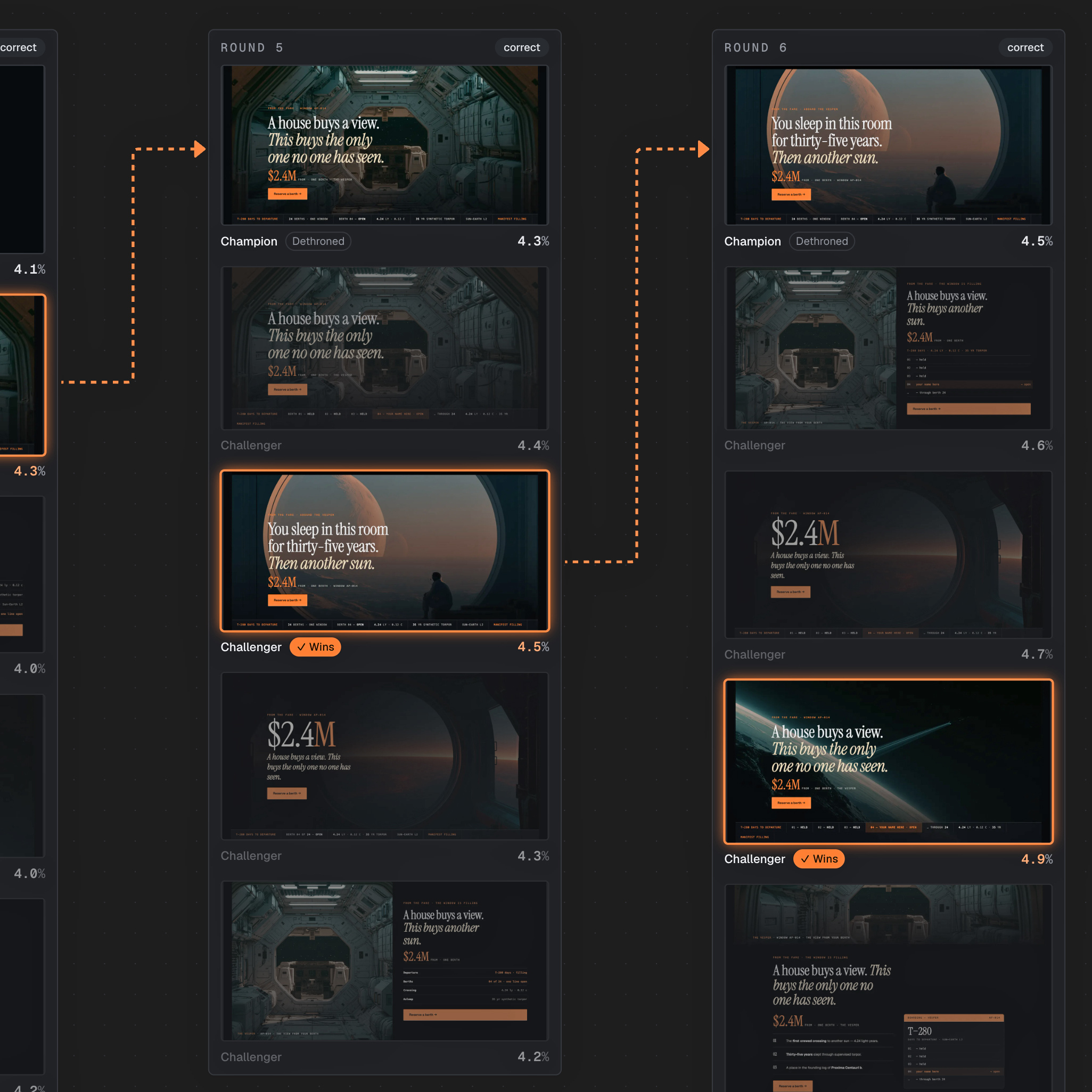
Self-optimising WordPress is here
We connected AI agents to WordPress blocks and ran repeated tests with Accelerate. Here’s how the experiment worked, and what we’re still testing.
-

Enterprise CMS Costs: What Total Cost of Ownership Really Means
Enterprise platform discussions often begin with software costs. Licence fees, subscription models, implementation budgets, and support agreements are relatively easy to compare during procurement. They are visible, measurable, and usually well documented by vendors. The challenge is that software costs represent only one part of a platform’s economic impact. Once a platform is embedded across…
-
Everything enterprise teams wish they’d known sooner
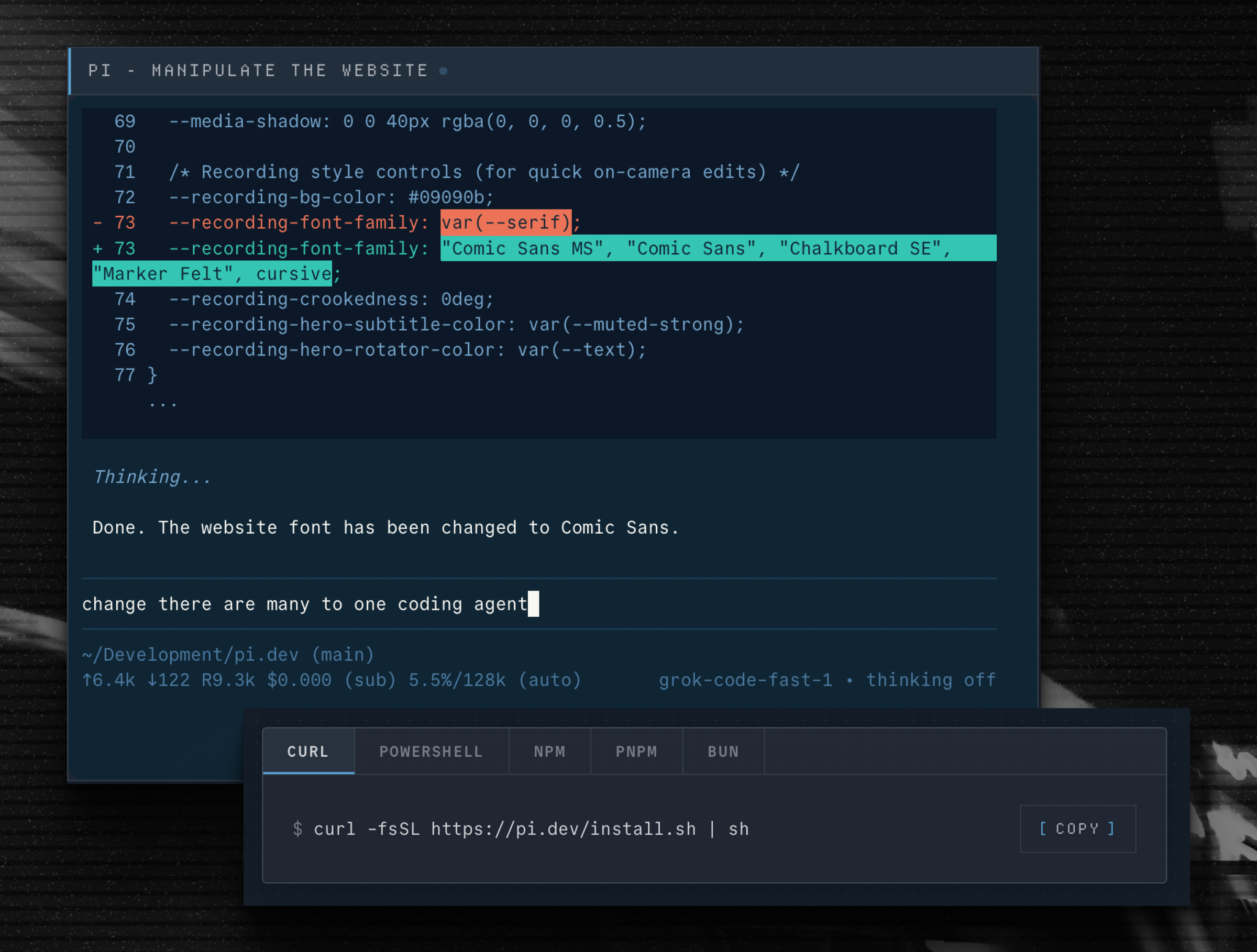
Welcome to Word on the Future! This month, we’re looking at what happens when AI stops being a side project and starts becoming part of the day job. From coding agents and enterprise platforms to the foundations organisations need to thrive in an AI-native world, the conversation is shifting fast. The question isn’t whether AI…
-
Why AI Is Exposing Weaknesses in Enterprise Platforms
AI pilots for enterprise platforms are easy to start. A team picks a tool, tests a few prompts, generates summaries, drafts metadata, experiments with search, or explores content recommendations. Results arrive quickly. The demo looks promising. Everyone can see the potential. Then the harder questions begin. How does this fit into existing workflows? Which content…
-
AI Coding Agents: Claude Code Isn’t the Only Game in Town
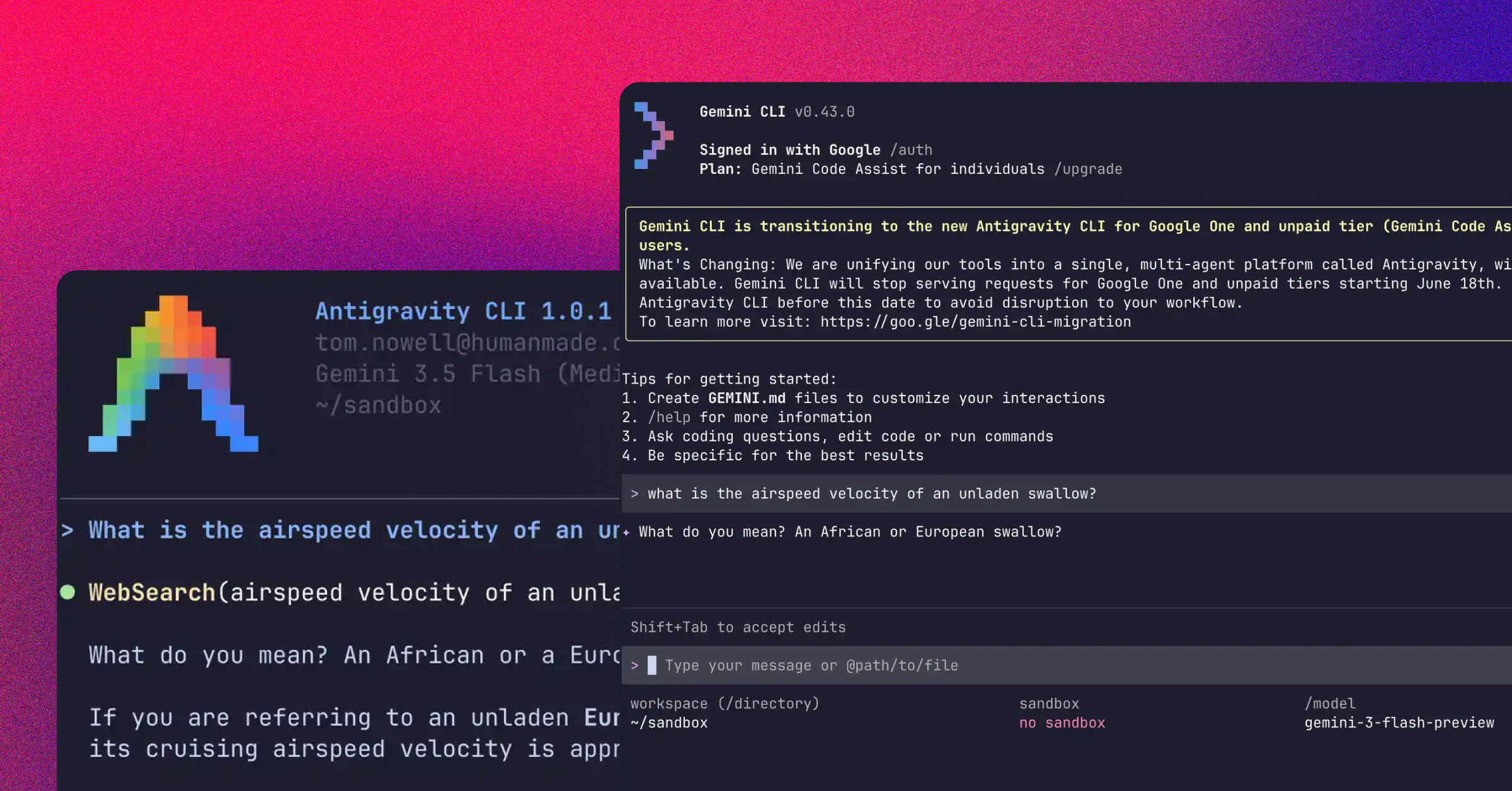
A practical guide to the terminal coding agent landscape in early 2026. Just a year ago, most conversations about AI-powered development tools started and ended with Claude Code. Today, every major AI company has a coding agent, open source alternatives are flourishing, and new entrants seem to appear every week. That’s exciting for developers. It’s…
-
WordPress + GA4 + AI = less content, more performance
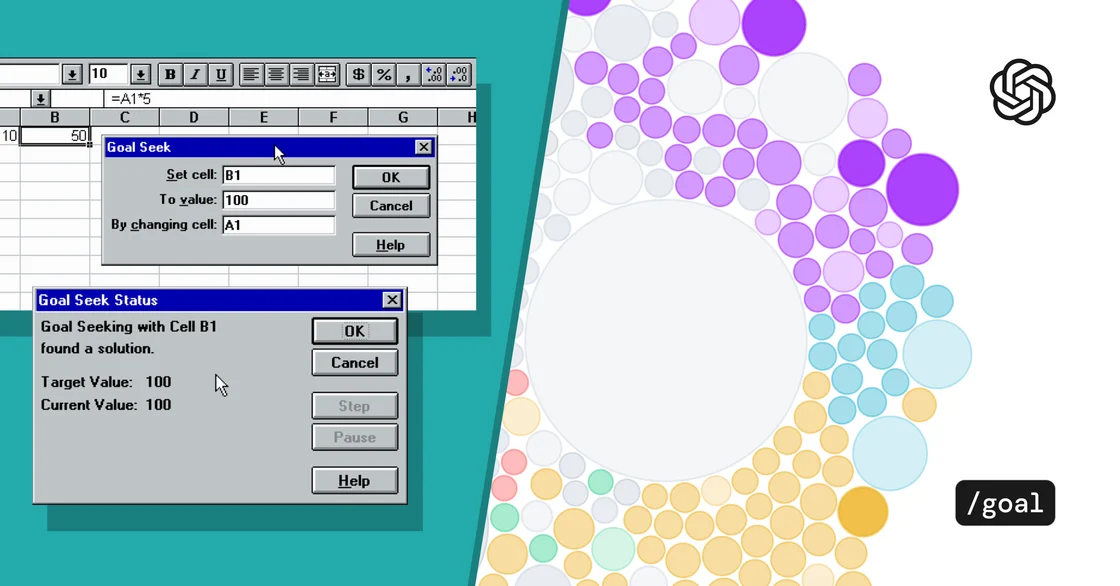
In 1985, Microsoft shipped Goal Seek in Excel. A few years later came Solver and Monte Carlo simulations. Instead of guessing outcomes, you could define success and let the software search for the variables that produced it. I remember using these tools during my years in banking, often grinding the CPU to a halt. Solver,…
-
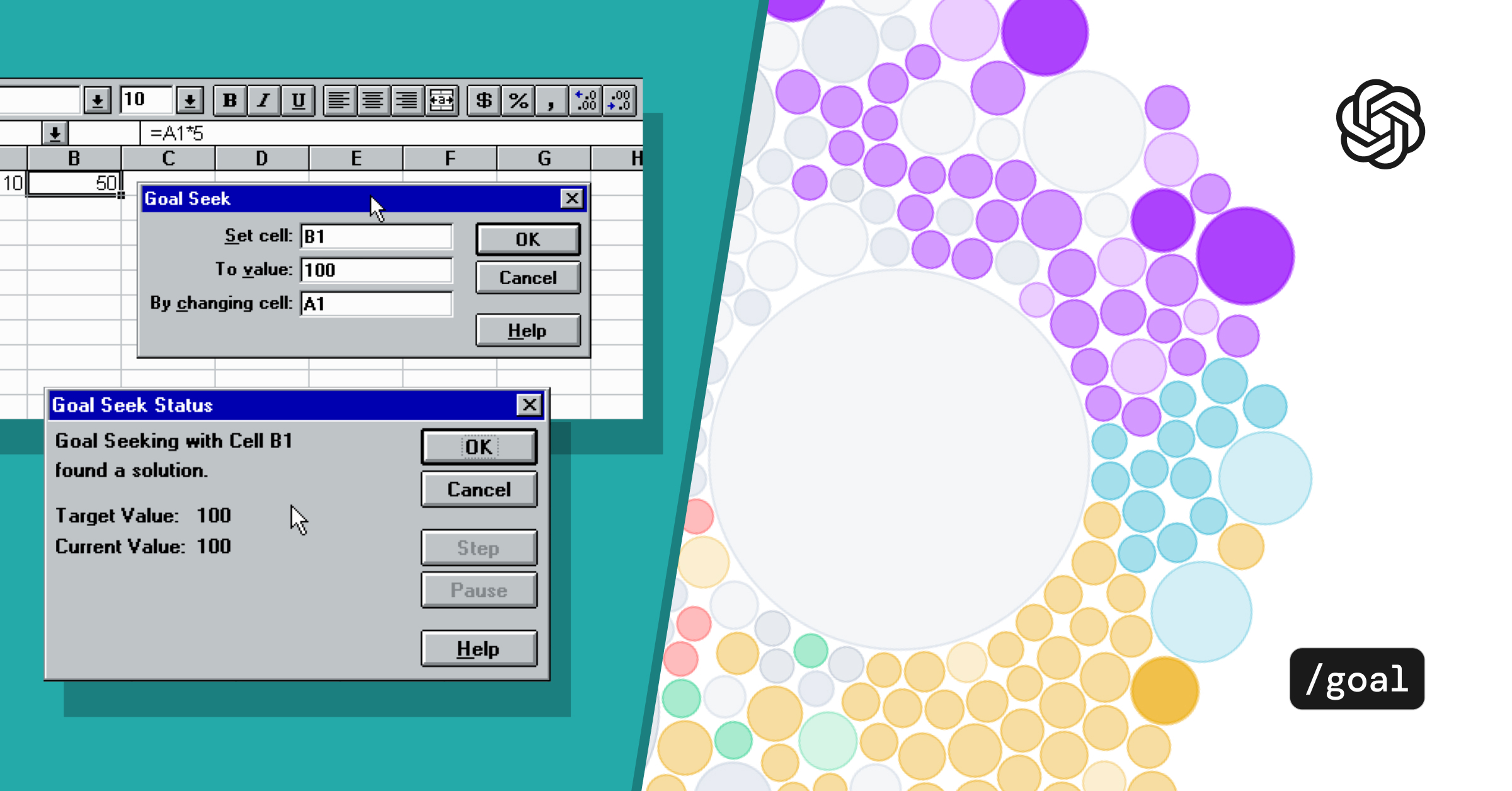
WordPress + GA4 + AI = fewer posts, more performance
We combined WordPress content, analytics and AI to test what drives engagement. The results pointed to better topics, not a busier publishing calendar.
Your inside track to the future of WordPress
Get monthly insights, early event access, and expert takes – straight from the people shaping what’s next in WordPress.

The future of WordPress, right now
Get monthly insights, early event access, and expert takes – straight from the people shaping what’s next in WordPress.