Welcome to Word on the Future!
This month we’re looking ahead to WordPress in 2026, from the big macro shifts shaping the platform to the practical moves teams can make right now to stay fast, flexible, and future-ready. If you’re planning what comes next, this issue is packed with the insight you’ll want in your back pocket.
What’s inside this issue 📚
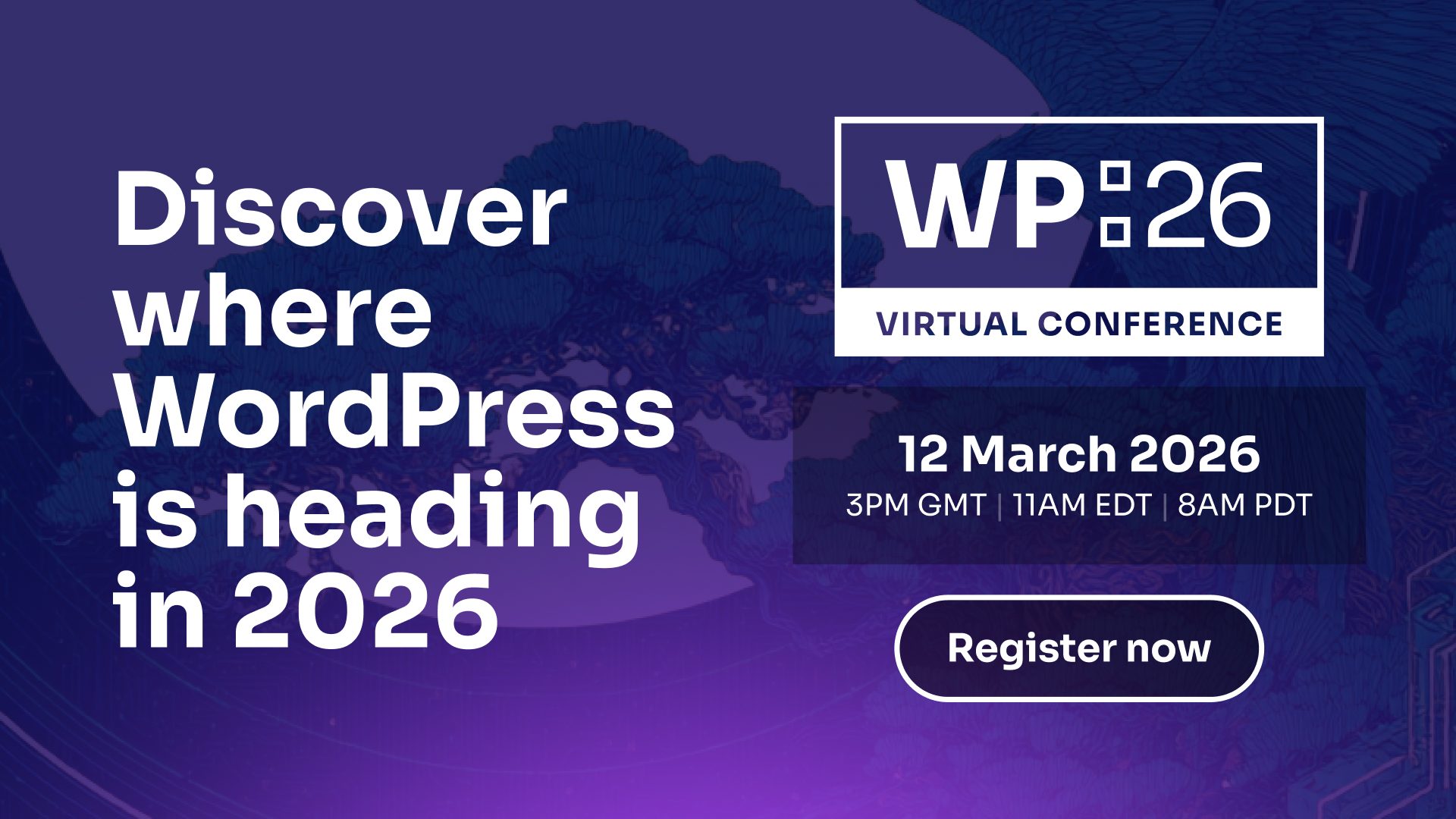
– WP:26: Registration is now open for the event of the year, save your place today 🚨
– 7 ways to get the most out of WordPress in 2026: WordPress isn’t just a publishing platform – it’s becoming an intelligent CMS. Here’s how to leverage it 🛠️
– Why trust is built on exit, not lock in: Why WordPress is the enterprise platform that keeps you in control. Openness is the new black 💅
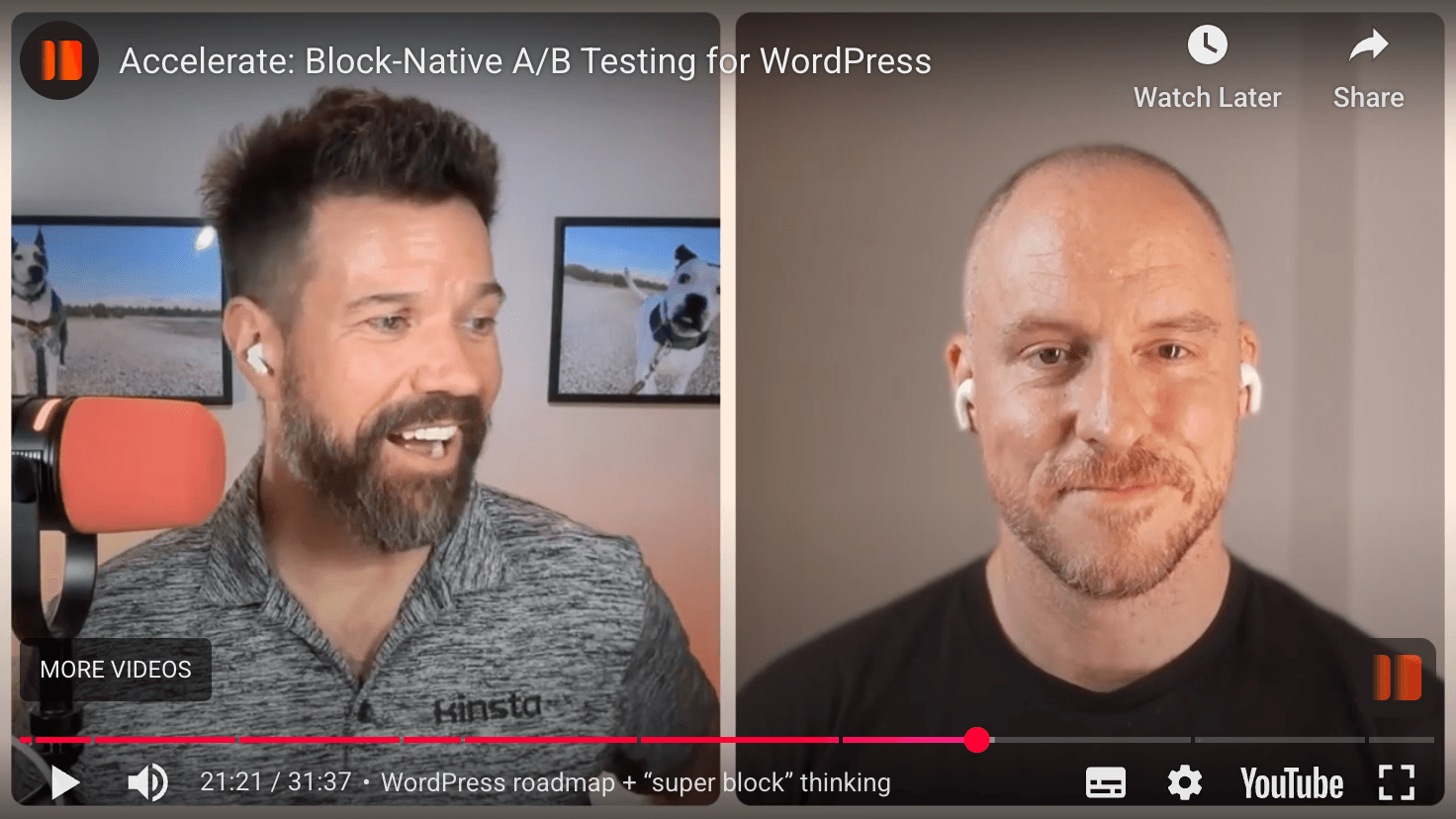
– Accelerate & what happens after launch: HM CGO Noel Tock chats to Kinsta’s Roger Williams about what comes next for websites that want to grow, not just exist 🚀
– Market analysis: WordPress in 2026: exploring the macro trends shaping the future of WordPress, this is your guide to the future 🔮
– From CMS to agentic platform: WordPress is evolving for AI-driven workflows, but what does this mean at enterprise scale, and what comes next? 🤔
Register now for WP:26 🚨
We’re bringing together the smartest voices in the WordPress ecosystem to map out what’s really ahead — beyond the buzz and into the strategies that will shape the next year.
You’ll hear from digital leaders from CERN, PMC, and News UK, as well as a few familiar faces from the WordPress world – our pals at Yoast, Pantheon, WP VIP and more will be sharing the need-to-knows for the year ahead.
Join us for a forward-looking conversation packed with insights, practical takeaways, and real examples that digital leaders and product teams can act on now.
Come for the future-gazing. Leave with a clearer roadmap.
7 ways to get the most out of WordPress in 2026 🛠️
WordPress is changing fast, and the teams getting ahead are the ones adapting their platforms now, not later.
We break down seven practical shifts that will help you build a faster, more resilient WordPress stack, from simplifying your architecture to designing for automation and what comes next.
If you’re responsible for WordPress at scale, this is the list you’ll wish you had six months ago.
Why trust is built on exit, not lock in 🔐
Lock-in might feel safe — but in 2026, the most trusted platforms are the ones clients can leave without pain.
This piece from HM’s Simon Cooke explores why openness and clean exits matter more than ever for enterprise teams choosing a CMS, and how WordPress’ flexibility reduces risk and builds confidence.
If you care about long-term platform strategy, this flips the usual pitch on its head.

Read the full post from Simon →
Accelerate & what happens after launch 🚀
It’s the age-old question: how do you turn feedback loops into real growth and strategic improvement?
Most sites celebrate launch and then slowly fade into maintenance mode. In this video conversation, Noel Tock sits down with Roger Williams from Kinsta to rethink what comes after launch, turning WordPress sites into continuously improving, data-driven engines rather than static brochures.
At the heart of that shift is Accelerate — a native WordPress growth engine for A/B testing, personalisation, and data-driven optimisation straight inside the block editor, so you can act on insights without new tools or complexity.
Market analysis: WordPress in 2026 🔮
We’re deep diving into the macro trends that are shaping the future of WordPress.
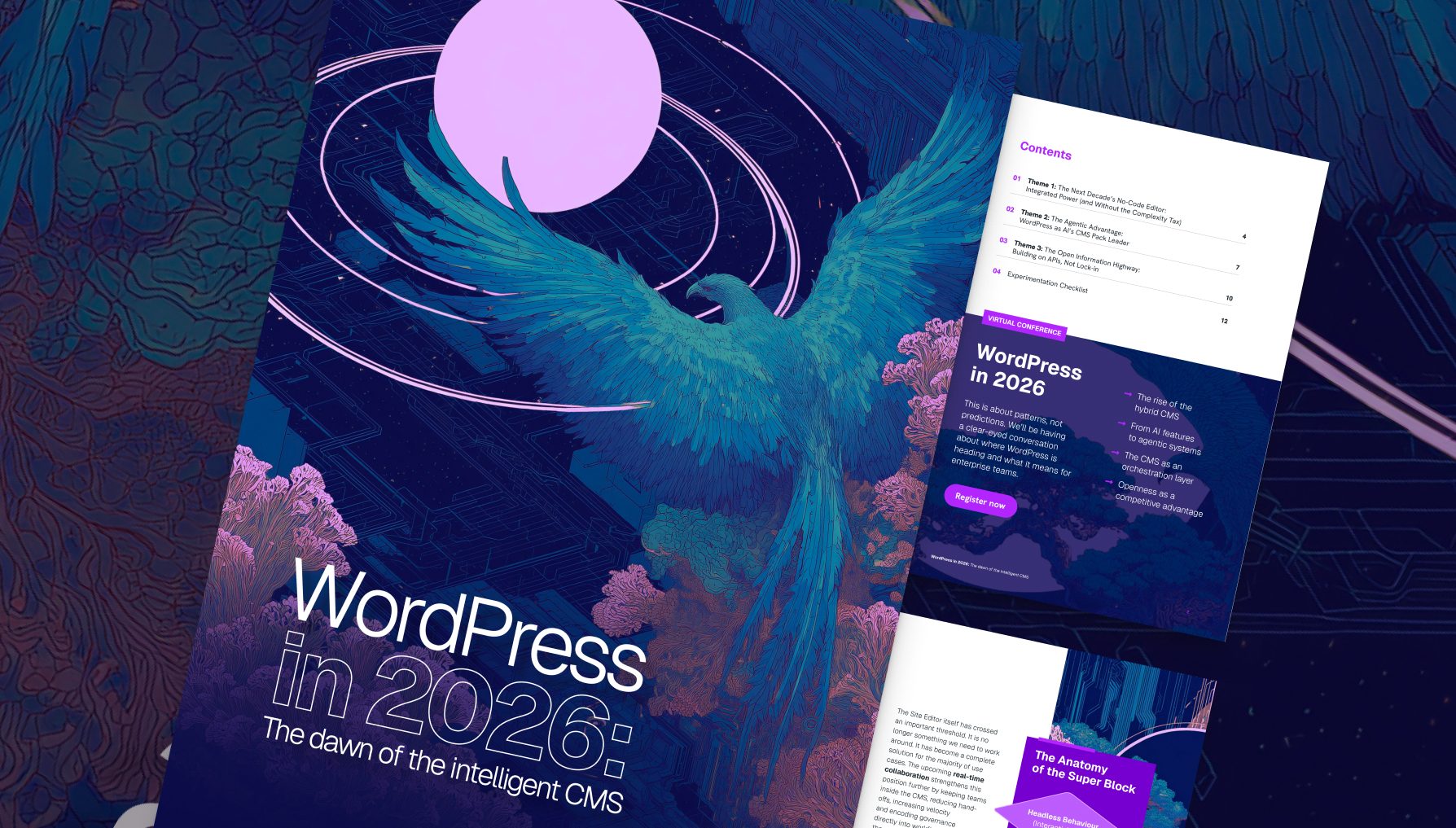
WordPress in 2026 is our latest report, and the follow-up to the smash-hit WordPress in 2025. It looks ahead to the next phase of the open web, cutting through the hype to focus on the shifts that actually matter.
This guide is written specifically for digital leaders, architects, and product teams who want to understand where WordPress is heading before the rest of the market catches up.
If you’re planning for what comes next, this is required reading 🤓
From CMS to agentic platform 🤖
The defining shift for WordPress in 2026 isn’t a single AI feature – it’s the foundation being laid to enable thousands, or millions, of intelligent capabilities over time.
In this article, Human Made’s Sarah Jones explores what it looks like when WordPress becomes an agentic platform, built for intelligent workflows, automation, and machine-readable capabilities.
If you want a hot take on where the open web is heading next, this is a great place to dive in.