Much of the world’s digital content is trapped.
It’s locked inside proprietary systems. Shopify calls them Sections and Blocks, Webflow calls them Components and Elements, and legacy enterprise platforms have their own custom-coded “solutions.” Each one is a digital silo, a different-sized box with a custom-made lock.
This is the shipping cargo of the modern web. Every time you want to move, scale, or integrate your content, you’re stuck on a proprietary dock, paying “gatekeepers” just to load and unload your assets. It’s expensive, painfully slow, and it kills innovation.
This isn’t a new problem. Before 1956, global shipping was in the same chaos. Countless, oddly-shaped goods had to be handled one by one. Every port had different rules and different “gatekeepers.” It was a global bottleneck.
This all changed with a single, elegant design: the intermodal shipping container.
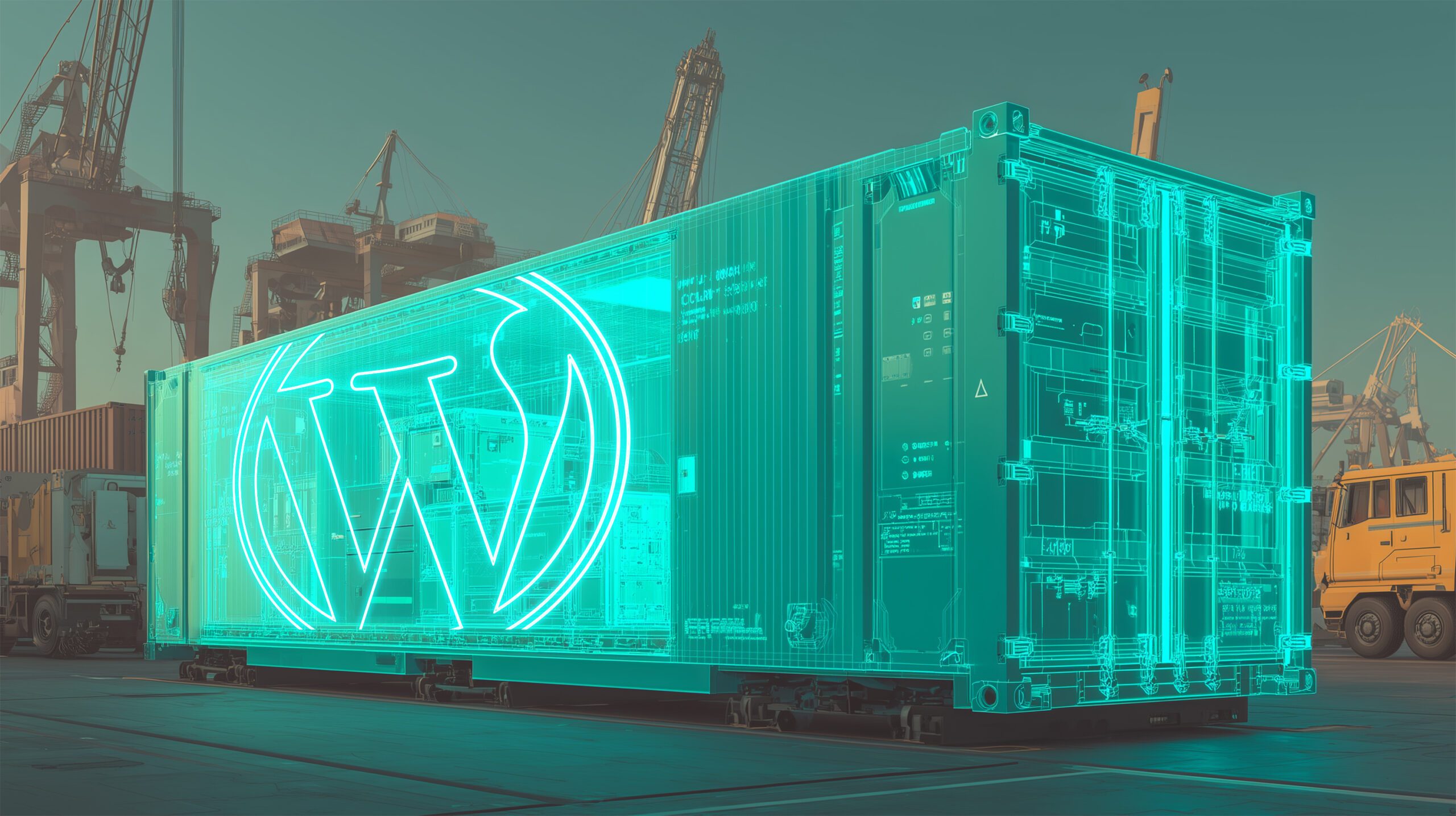
Suddenly, any goods could be bundled into one unified load, stackable and transferable by anyone, anywhere. The true genius? The design wasn’t proprietary. It is governed by open international standards. However, the breakthrough wasn’t just the box; it was the economy it enabled. As The Economist noted, the shipping container “has been more of a driver of globalization than all trade agreements in the past 50 years together.”
Why? Because it created a system. An entire ecosystem of “crane manufacturers,” “ship builders,” and “trucking fleets” could all build to the same, open specification.
This exact revolution is happening to web publishing, but instead of the container it’s the block, the WordPress block to be specific.
The revolution is timely, and complete, because the intermodal system that moves the container is finally mature. The “cranes,” “ships,” and “ports” are all here. That system is the Full Site Editor (FSE) and is being adopted far more quickly by large enterprises today.
Now, that same open standard applies to everything, from a single piece of content to your entire site layout. The “crane manufacturers” (plugin developers) and “ship builders” (theme partners) are no longer locked out of the port. They can all build to the same, open specification.
Proprietary platforms sell you a product.
The open standard of the Block and FSE gives you access to an entire economy.
What is a better foundation for your global growth?
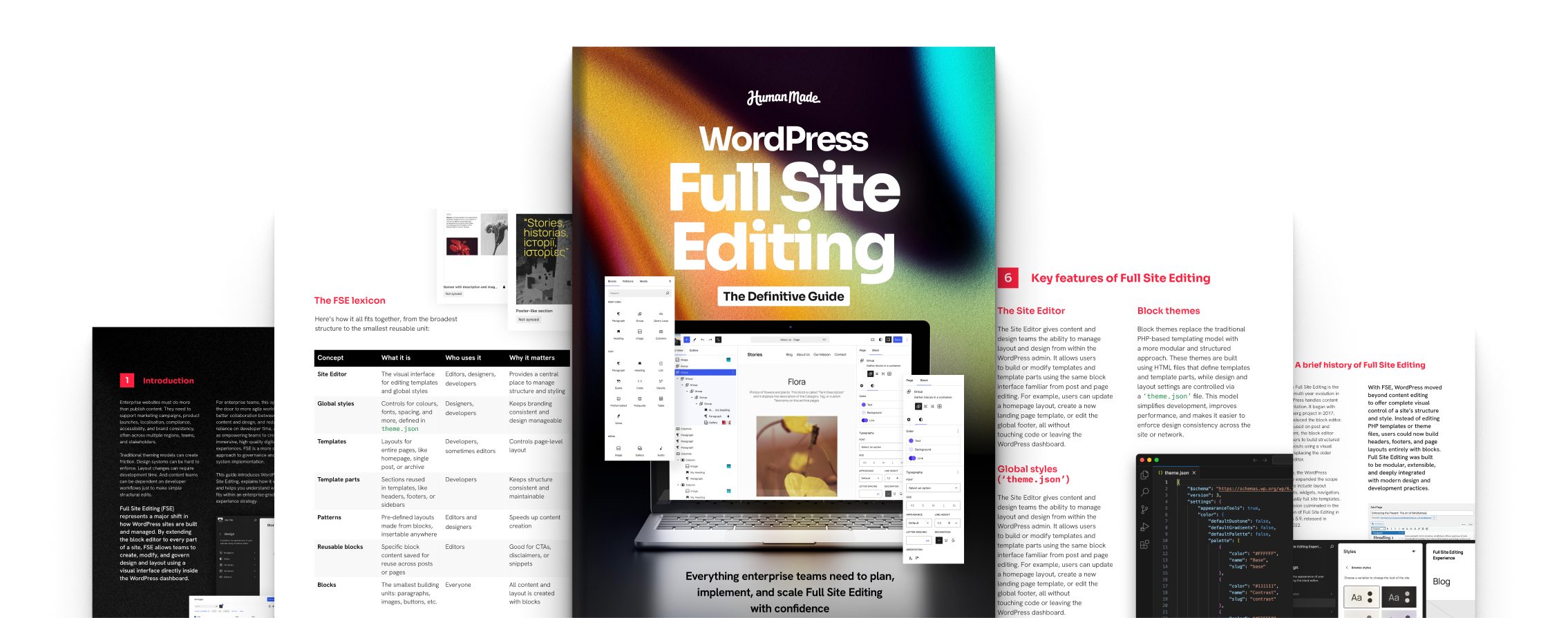
Start with our Definitive Guide to FSE (PDF).