

Downloadable guide
How to pitch a website rebuild to stakeholders
Craft a website rebuild pitch that gets noticed.
In this guide, discover why stakeholder buy-in is crucial, identify who your stakeholders are, build advocates for your proposal and be able to pitch your project with confidence at the right time. Plus, get a free bonus checklist inside, outlining the 10 steps to delivering a perfect pitch.
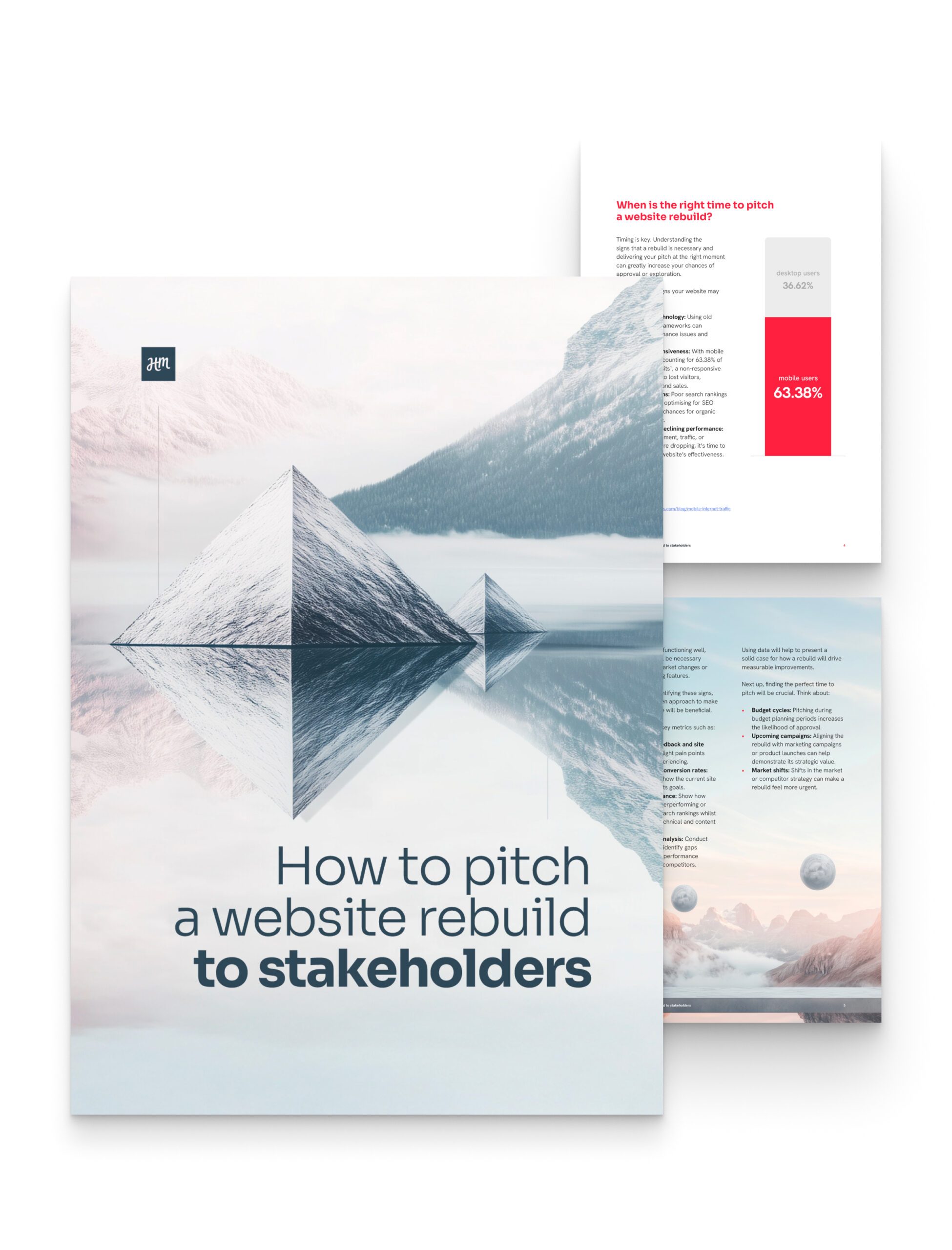

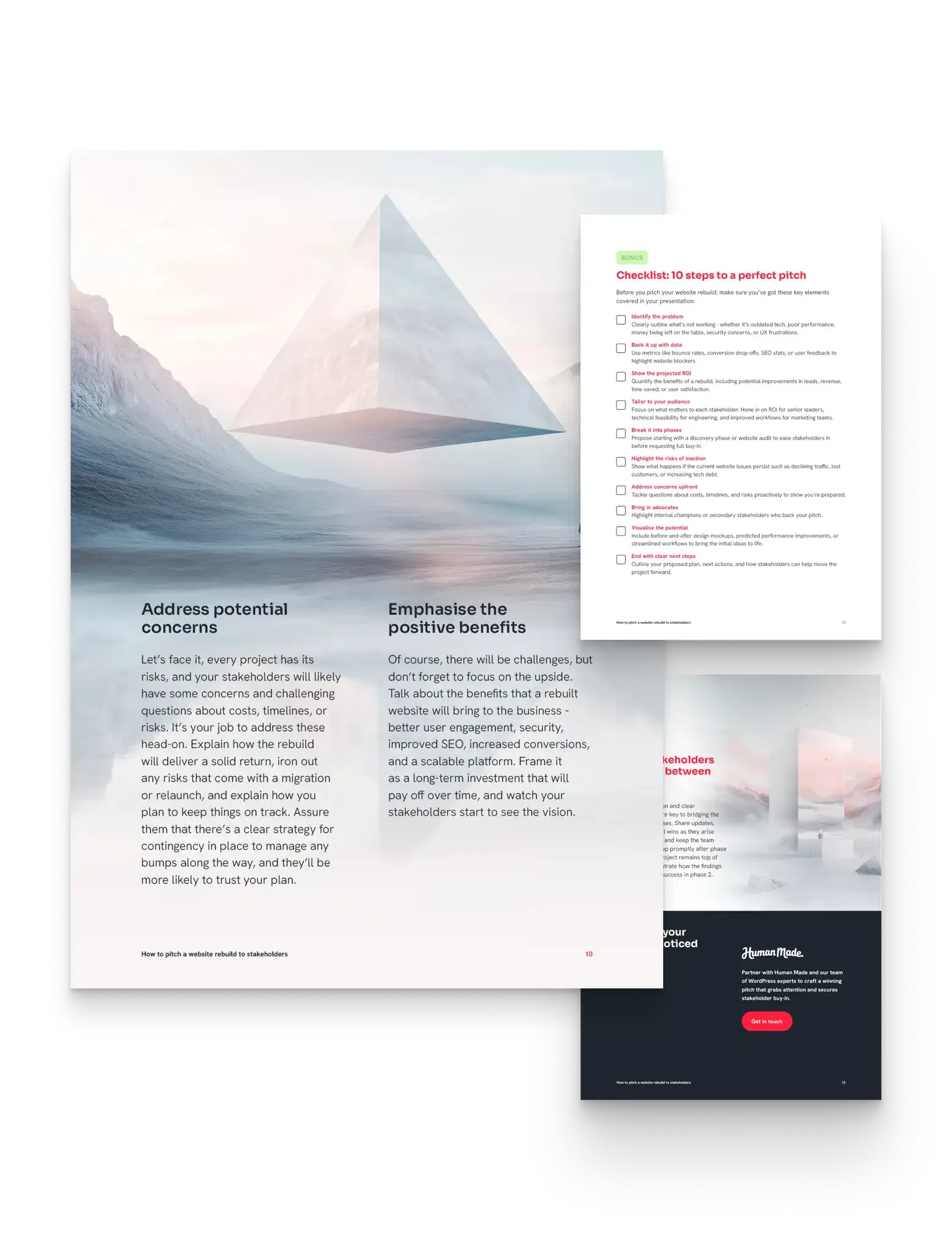
Convince your stakeholders to invest in a website rebuild
Whether the goal is to improve user experience, boost website performance, streamline internal workflows, or launch a new brand identity, this guide provides the tools to craft a pitch that gets noticed – and approved.
- When is the right time to pitch a website rebuild?
- Why stakeholder buy-in is important
- Identifying your stakeholders
- How to gain stakeholder buy-in
- Pitching your project with confidence
- Let’s get your project noticed
- BONUS Checklist: 10 steps to a perfect pitch
Latest and Greatest
Read our latest blog articles
Learn the latest and greatest in WordPress site building. We’re offering tutorials, tips and tricks, and video walkthroughs on our blog.
-
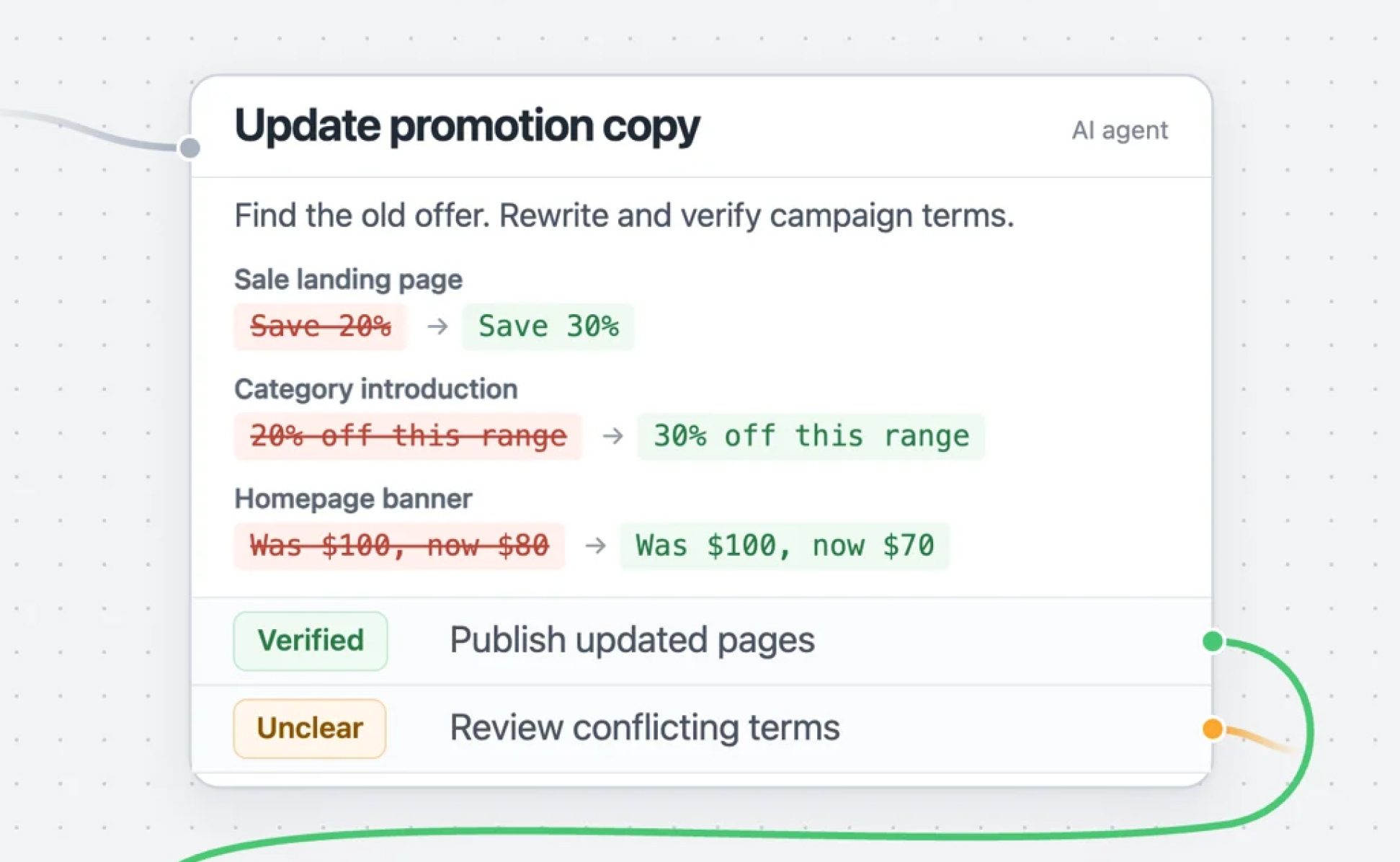
WordPress Revisions: Agentic Gold?

Post revisions are a log of how your team really works. Here’s how to mine them for agentic workflows.
-
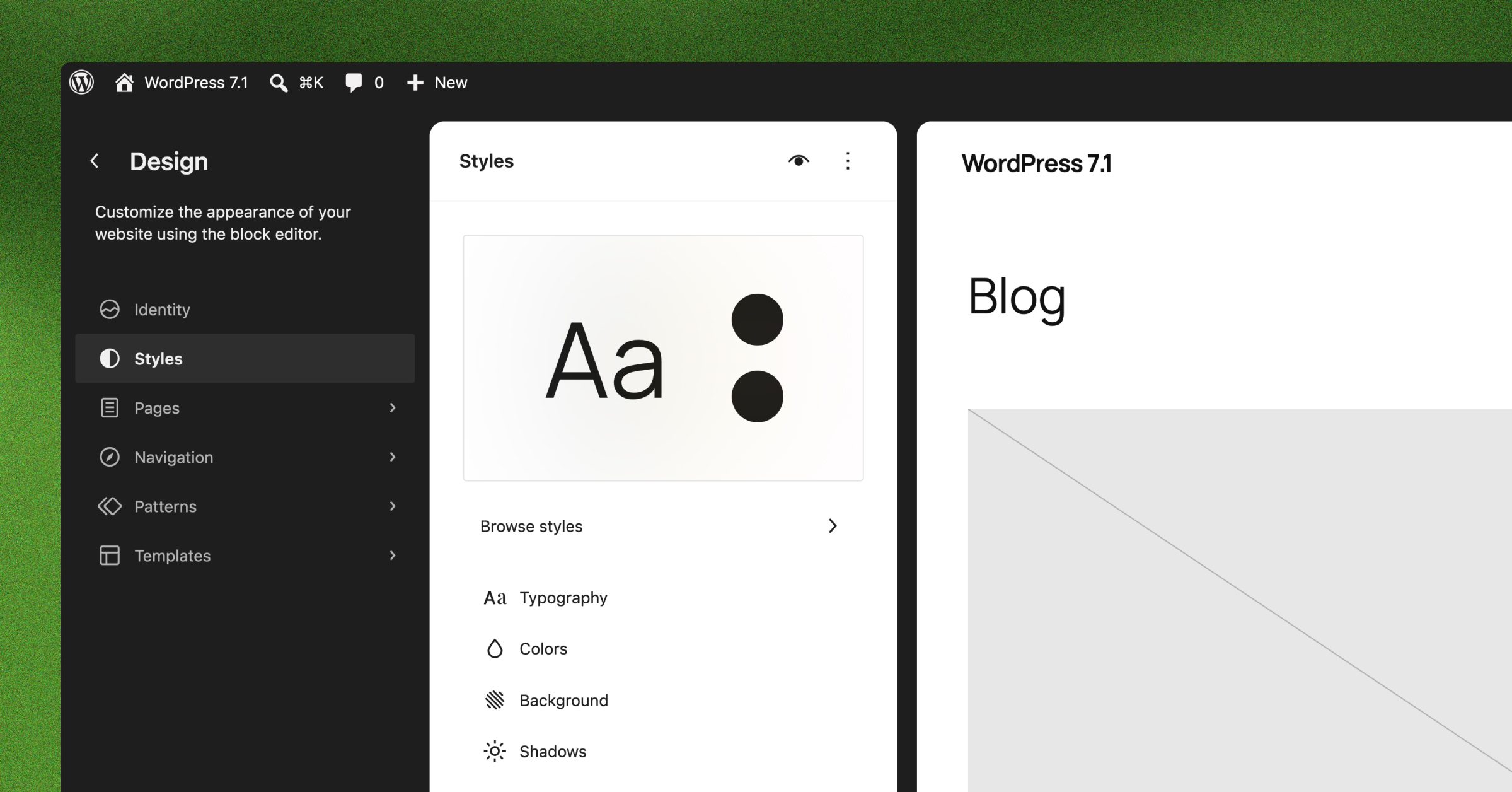
How a WordPress full site editing (FSE) theme is built, and why it matters for enterprise sites

For most of WordPress’s history, a theme was something developers changed and editors worked around. Templates lived in PHP files. As a result, a new layout, a tweak to the header or a different type scale meant a ticket, a branch and a deployment, and the queue for those changes grew with every team that…
-

How a WordPress Security Release Happens, From Report to Patch

Most site owners only see one part of the process that results in a new version of WordPress being released that fixes a security vulnerability: a dashboard notification that reads “An updated version of WordPress is available”. That’s intentional, the software is built to “just work”. Everything before that notification happens behind the scenes, often…