

Guide download
76 ways AI could transform WordPress
As an open-source platform and the most popular CMS in the world, WordPress stands to be reshaped in the coming years as the true capabilities of AI continue to unfurl. Let’s explore the possibilities.
Open Source and Al are the two mega-trends of the next 30 years. They complement each other, and you should think deeply about how.

Matt Mullenweg
CEO, Automattic; Co-founder, WordPress
The starting point for WordPress users exploring artificial intelligence
The use cases for Natural Language Processing and AI in general seem endless, so it can be overwhelming to know where to begin.
We’ve been thinking about how to make the most of the ground-breaking new innovations that are freely available to us, and are predicting where the impacts will be felt most.
It’s sure to inspire you to get head of the AI curve. Here’s how we’ve been using AI… 👇


Gutenberg meets ChatGPT: an AI assistant that builds pages with WordPress blocks
We’ve already been working on what the next stages of the WordPress block editor could look like, infused with the power of AI. With this WordPress “Copilot”, we’ve made it so that ChatGPT can speak to and control Gutenberg blocks.
The possibilities are huge. And we’re just getting started.

We’ve included innovations that are already happening, as well as speculative ideas, and we haven’t shied away from the challenges this tech will bring.
Spoiler: it’s not all going to be upside.

Joe Hoyle
CTO, Human Made
Latest and Greatest
Read our latest blog articles
Learn the latest and greatest in WordPress site building. We’re offering tutorials, tips and tricks, and video walkthroughs on our blog.
-
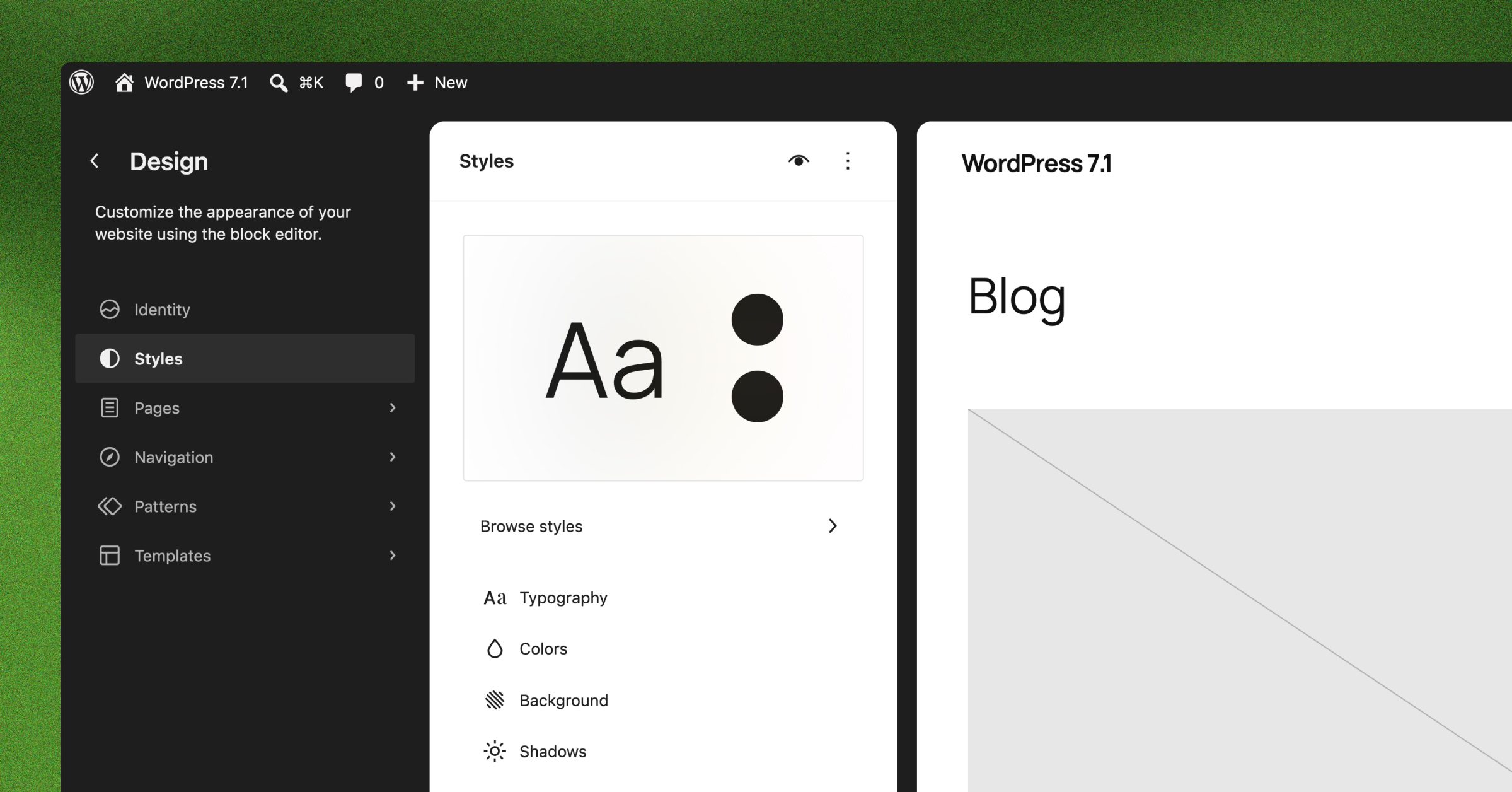
How a WordPress full site editing (FSE) theme is built, and why it matters for enterprise sites

For most of WordPress’s history, a theme was something developers changed and editors worked around. Templates lived in PHP files. As a result, a new layout, a tweak to the header or a different type scale meant a ticket, a branch and a deployment, and the queue for those changes grew with every team that…
-

How a WordPress Security Release Happens, From Report to Patch

Most site owners only see one part of the process that results in a new version of WordPress being released that fixes a security vulnerability: a dashboard notification that reads “An updated version of WordPress is available”. That’s intentional, the software is built to “just work”. Everything before that notification happens behind the scenes, often…
-

Why critical thinking matters in agencies
Critical thinking in agencies means questioning assumptions. It means weighing evidence. It means reasoning through a decision before committing to it, rather than accepting the first plausible-sounding answer just because it arrived quickly. And it matters more now than it did five years ago. Templates, automation, and AI-generated drafts increasingly shape the daily judgement calls…